Mobile App Developers in San Francisco and the Bay Area



Start Building Your App.
- 1. Complete form
- 2. Free Consultation
- 3. Get Proposal

The Bay Area runs on funding rounds and launch windows, and a missed window rarely reopens. So we scope fast and price the whole build before it starts. After that you see working software every week.
Anyone can execute a spec. We'd rather understand the problem behind it, which is why the first conversation is about your users and the number your app has to move, before anyone talks about screens.
Mobile App Development Services for San Francisco
Our mobile app development services put strategy, design, engineering, QA, launch and post-launch support under one agreement, with one team accountable for the result. Nothing falls into the gap between vendors, because there's only one.
iOS App Development
Native iOS apps in Swift, for products that need everything Apple hardware can give them. We handle App Store submission and Apple's review guidelines, which are where a lot of first launches stall. The goal is an app polished enough to get featured.
Android App Development
Native Android apps in Kotlin, built to Google Play policy from day one and checked on the range of devices your users own. Android matters more than most founders assume, especially for marketplaces and on-demand products, where reach beats prestige.
Cross-Platform Development with Flutter
One codebase for iOS, Android and web. Flutter and FlutterFlow ship cross-platform apps faster, and for less, than two parallel native builds, so they're our default for most MVPs. We'll also tell you when they're the wrong call: performance-heavy games and apps that lean hard on device hardware still belong in native code.
Web App Development
Most mobile apps need a web side, whether that's an admin dashboard, a customer portal or the backend that holds everything together. We handle web app development too, with React on the front end and Node, Laravel, Python or .NET behind it. When the job is bigger than one app, it becomes custom software development: internal tools, integrations and the systems your team runs on every day.
UI/UX Design
Design decides whether people open your app every day or delete it by Friday. Our UI/UX design process starts from how real users behave. Research, wireframes, clickable prototypes and usability testing all happen before engineering starts.
AI Features and Automation
According to Crunchbase, Bay Area companies raised $122 billion in AI funding in 2025, more than three quarters of the US total. If your product needs AI, we build it in. We are an official OpenAI partner with direct access to API credits for qualifying projects. Most of that work is LLM features, recommendation engines and automated workflows inside the app, plus internal tools that take busywork off your team.
Code Audits and Staff Augmentation
Already have engineers? We add senior ones to your team through staff augmentation. Inherited a codebase you don't trust? A code audit tells you whether to build on it or start over before you spend six figures finding out the hard way.
Why build your San Francisco app with Bolder Apps?

Know Your Cost Before You Sign
We price by scope, and nobody on your project bills by the hour. You see the full number before anyone writes a line of code, and what you sign is what you pay.

A Proposal in Days, Not Weeks
Every week you see working software, and you can talk to the engineers building it directly. You won't have to wait for a quarterly status deck to find out where the budget went.
Weekly Demos, No Radio Silence
Scoping takes most agencies 1 to 2 weeks. We turn a fixed-scope proposal around in 1 to 2 days, which gives you a real number to compare while you're still taking first calls with everyone else.

A Senior Consultant, Not a Ticket Number
One senior product consultant runs your project from kickoff to launch. Nobody passes you between account managers halfway through.
Everything Transfers to You
Source code, credentials and documentation are handed over in your name when we finish, and nothing stays locked to us.
| Tier | Price | Timeline | Platforms |
|---|---|---|---|
| MVP | $30K-$60K | 8-10 weeks | One platform |
| Standard | $60K-$150K | 10-16 weeks | iOS and Android |
| Complex | $150K-$250K+ | 16-20+ weeks | Mobile and web |
What moves the price:
The number of platforms.
One platform keeps you in MVP territory, and iOS plus Android usually means Standard.
Backend complexity.
Every system your app talks to, from payments to your CRM, adds scope.
How much custom design you need.
A utility app costs less than a consumer product that has to win attention.
AI and real-time features.
Such as chat, live data and LLM features, which add engineering and testing time.
Compliance requirements.
Health data and card payments bring their own work.
The build is not the whole budget. Plan on roughly 10-20% of the build cost per year for maintenance, plus $200-$1,500 a month for infrastructure once real users arrive. Our full breakdown of mobile app development costs walks through the math behind each number.
For the local market, Clutch's San Francisco directory, based on Clutch pricing data, puts a prototype or proof of concept at $40,000 to $80,000, a mid-complexity consumer app at $100,000 to $250,000, and an enterprise platform with integrations at $250,000 to $500,000 or more. Clutch says rates there reflect the city's premium talent pool, and the wage data agrees. In the San Francisco-Oakland-Fremont area, computer and mathematical jobs paid a mean $78.40 an hour in May 2024, against $56.16 nationally, according to the Bureau of Labor Statistics. Our tiers don't change by city, so the prices in the table above apply as written.
How long an app takes to build in San Francisco
| Stage | Typical time |
|---|---|
| Proposal | 1 to 2 days |
| MVP (one platform) | 8-10 weeks |
| Standard (iOS and Android) | 10-16 weeks |
| Complex | 16-20+ weeks |
A lot of MVPs are live in about 10 weeks. The screens are rarely what stretches a timeline. Integrations with systems you don't control, compliance review and scope that changes halfway through do most of the damage, and a fixed scope guards your launch date as well as your budget. If you're in Y Combinator, Demo Day is never more than three months away: YC is a three-month program, and it now runs four times a year. Work backward from the day the app has to be live, and bring that date to the first call.
How we work, from first call to App Store
Talk to a Product Consultant
You speak with a real product expert, not a salesperson, about what the app has to do for your business.
Scope and estimate
Within 1 to 2 days you have a fixed-scope proposal with one price and one timeline.
Design & Prototype
You test and sign off a clickable design before anyone writes code.
Build & Test
Senior engineers build and test the app, and you get a new build to try every week.
Launch & Support
We handle App Store and Google Play submission, then stay on for 4 weeks after you go live.
The Technology Behind the Apps .
Flutter and FlutterFlow cover cross-platform work. When the build goes native, iOS gets Swift and Android gets Kotlin. Web front ends run on React, and back ends on Node, Laravel, Python or .NET, with data in Postgres, SQL Server or Firebase, deployed on AWS, Google Cloud, Azure or Firebase.
We design for scale from the first sprint. A product that works at 1,000 users and falls over at 100,000 is a failure with good reviews.

Industries we build for in San Francisco
Bay Area startups took in $90 billion of venture funding in 2024, 57% of the $178 billion invested in US startups, according to Crunchbase data reported by TechCrunch.
Ecommerce
We build the catalog, checkout, payments and admin tools behind a store, so buying from a phone takes seconds. More on ecommerce app development.
FinTech
Budgeting, payments, banking and insurance apps, where security decides whether anyone trusts you with their money. See our fintech app development work.
Healthcare and wellness
Patient apps and wellness tools with appointment booking, secure messaging and protected health data, built against HIPAA from the first sprint. More on our healthcare app development.
On-demand
On-demand customers expect a service in minutes, so the app has to handle booking, live tracking, payments and notifications as they happen. See our on-demand app development.
Social media and entertainment
Creator platforms, communities, live audio and short video, with moderation tools and the capacity to hold up when an audience arrives all at once. Our social media app development page has more.
Work we have shipped
We built these products for clients in the US and abroad. The problems will sound familiar if you are building in a crowded market for users with no patience for a slow app.
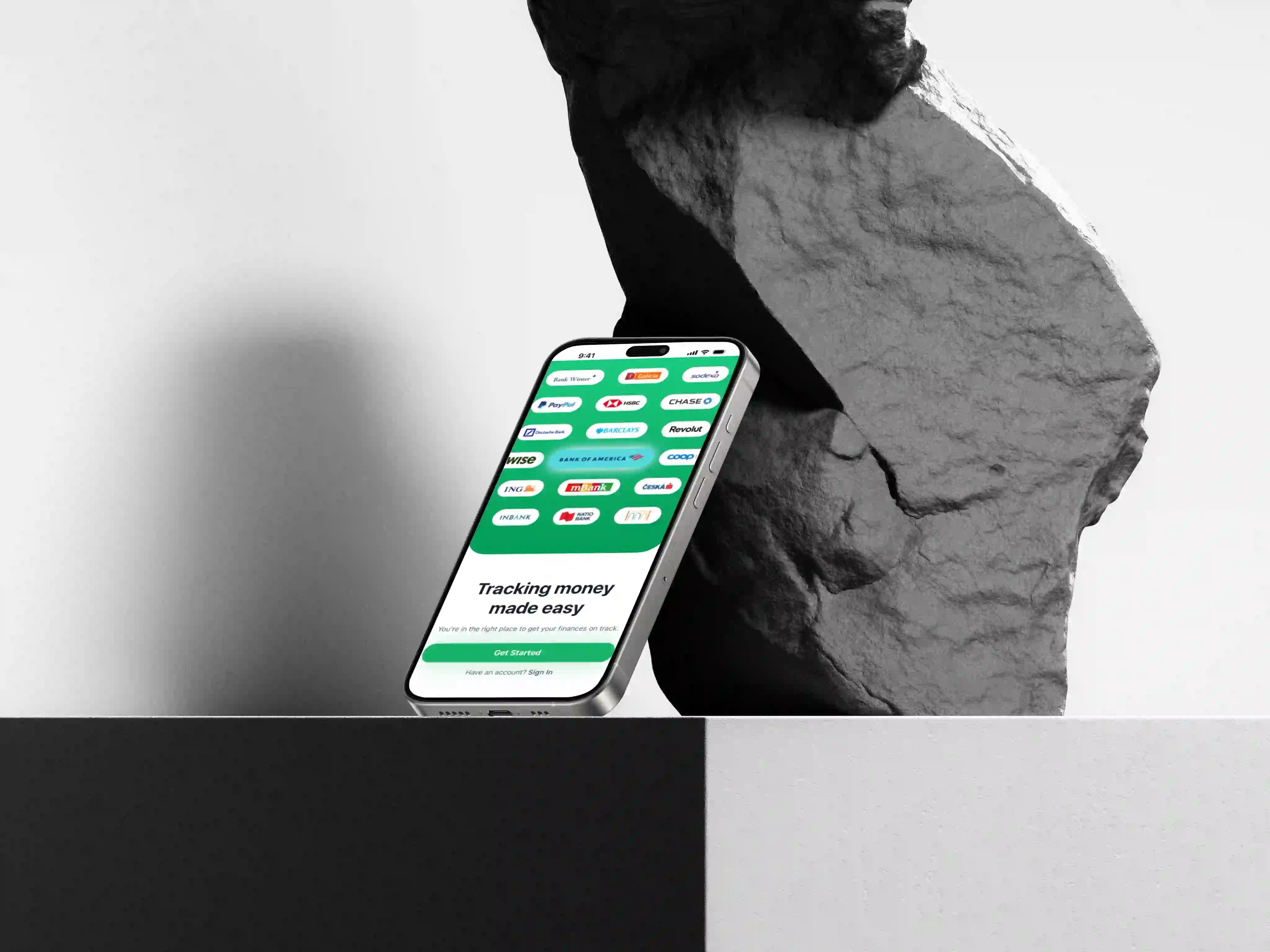
Spendee
A budgeting app that pulls bank, e-wallet and crypto accounts into one view and sorts spending automatically. Its AI receipt scanner turns a photo of a receipt into a finished transaction. Built in Flutter with Firebase. Read the Spendee budgeting app case study.
Clearcover
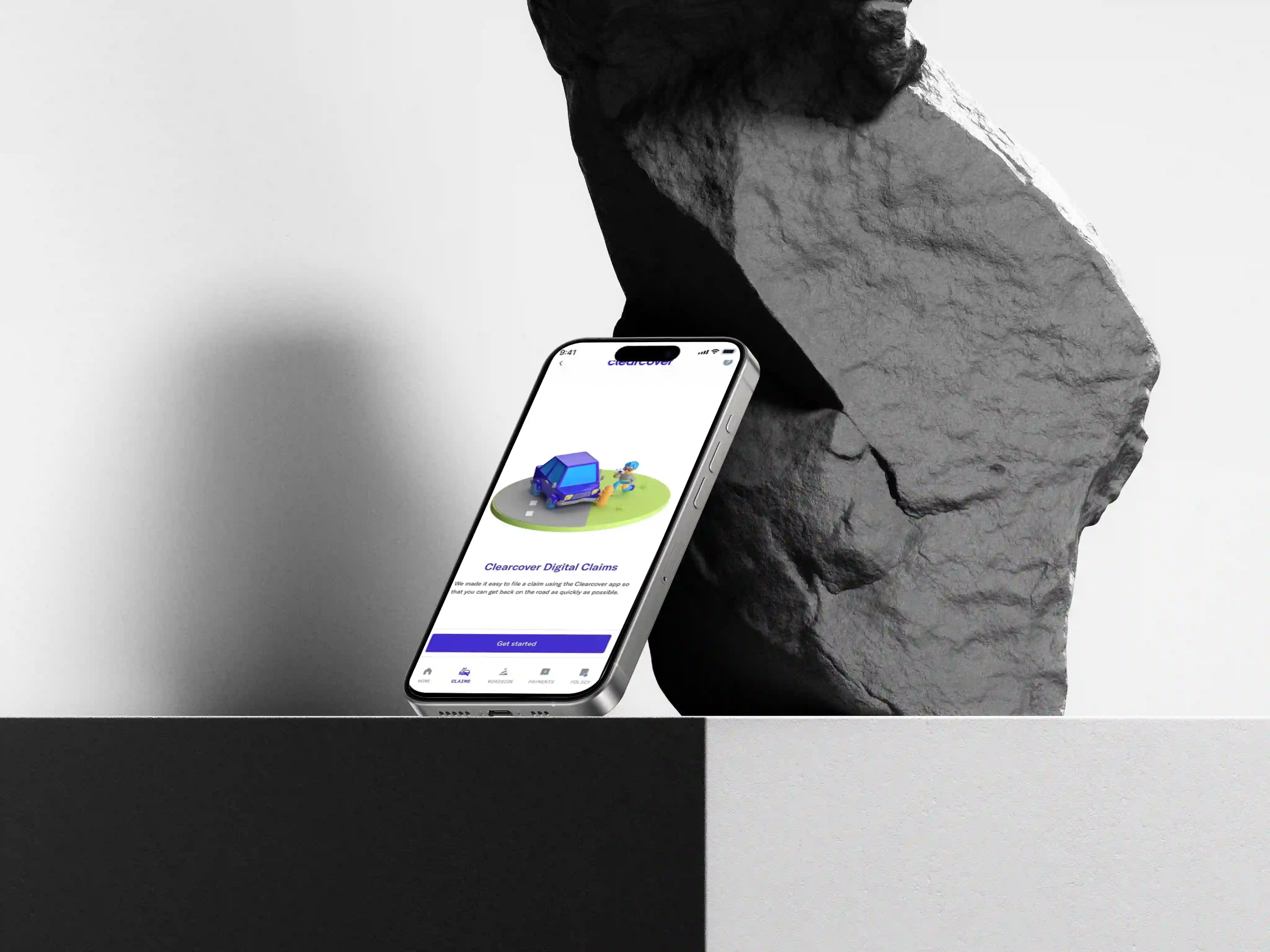
Clearcover's car insurance app lets customers get quotes, manage policies, file claims and call roadside assistance from their phone. Claims connect to the insurer's own machine learning for faster assessment, so the app has to move sensitive data cleanly. Read the Clearcover insurance app case study.
Fanbase
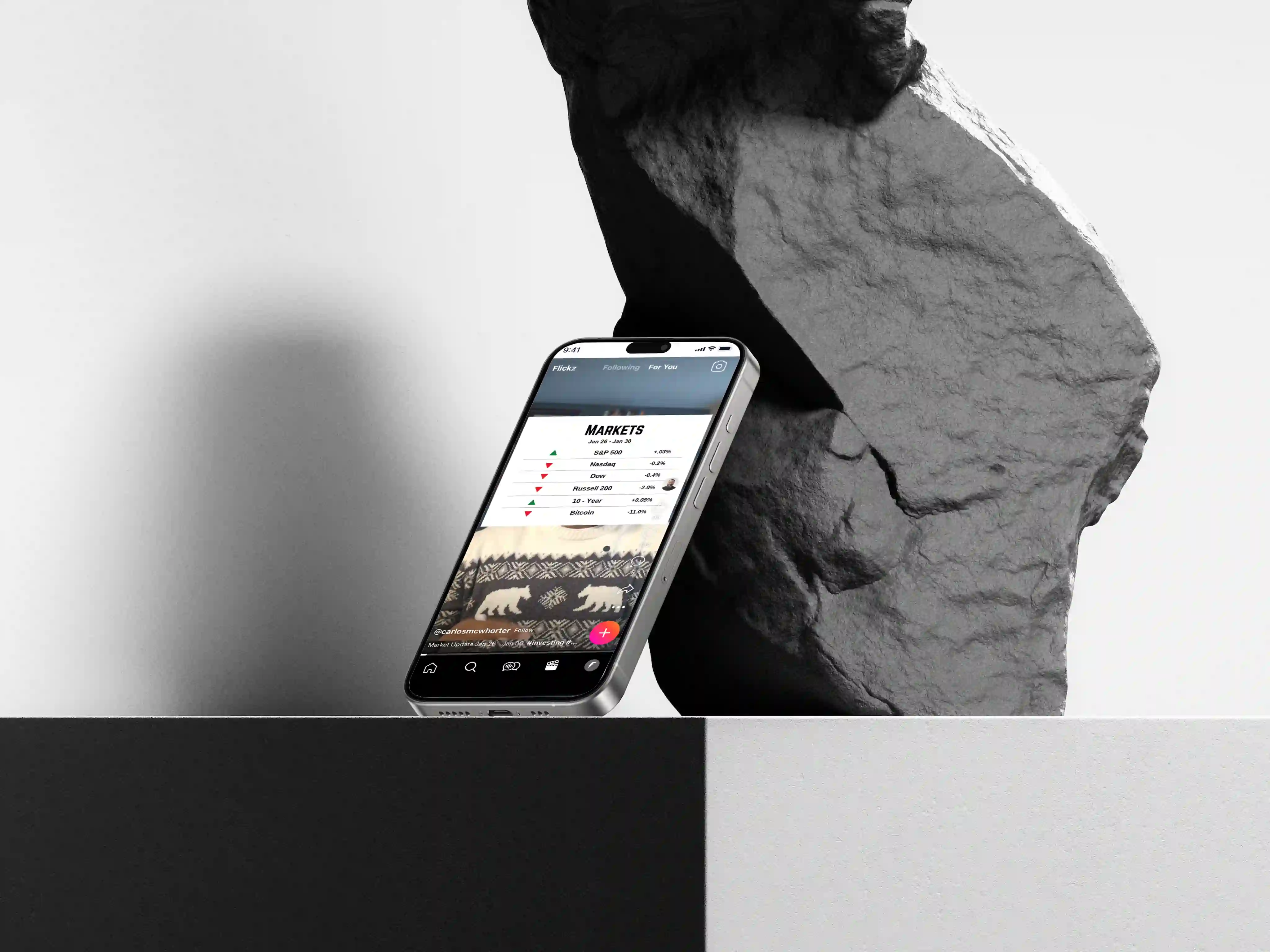
A creator-first social platform where people publish and earn from their content without ads. The build covers live audio rooms, short-form video and a "Love" feature fans use to support creators directly. Read the Fanbase creator platform case study.
How to tell a good San Francisco app agency from a bad one
You'll talk to a lot of mobile app development companies before you pick one, and most of them sound the same on the first call.
Walk away if
- They will only quote by the hour. An open-ended hourly contract puts the risk on you, and the people billing the hours decide how long the work takes.
- You never meet the people who will write the code. If every call is with sales, you find out who built your app on the day something breaks.
- The quote leaves out QA testing, App Store submission or support after launch. Add those back in before you compare numbers.
- The code or the accounts stay in their name. Your repository and your store listings should belong to you.
- They cannot show you a shipped app. Mockups in a portfolio are easy to make, and an app you can download today is much harder to fake.
Good signs
- A fixed price for a written scope, in a proposal that arrives in days.
- A working build to try every week, with the people who built it on the call.
- Someone tells you to build less first and explains why a smaller version one is the better bet.
- Named projects you can download today.
- A contract that hands you the code, credentials and documentation at the end.
- A clear answer about what happens after launch and what ongoing support costs.
Built for regulated industries
Financial services and healthcare both run on rules, and so do a lot of other products. For a fintech product, that usually means encryption, audit trails and a clear record of who touched which data. We build against the standards your auditors and enterprise buyers will ask about:
- HIPAA for patient and health data
- PCI DSS for card payments
- SOC 2 Type II controls for B2B software sold to enterprise buyers
- GDPR and CCPA for personal data
- FERPA and COPPA for education apps and apps used by children
Compliance scope goes into the proposal, so you pay for it up front instead of discovering it halfway through the build. We work alongside your legal and compliance teams: we build the controls, and your auditors certify them.
Working with Bolder in San Francisco
Bolder Apps is a mobile app development company founded in 2019 and headquartered in Miami. Leadership is US-based, and engineering is a distributed team of senior app developers. For a Bay Area company, that means one product consultant from the first call to launch and direct access to the people writing your code, with a new build to review every Friday.
Call (650) 376-0229, or send us your project and you'll have a proposal in 1 to 2 days.
San Francisco questions, answered
Everything you need to know about working with Bolder Apps. Can't find your answer? Reach out and we'll get back to you same day.
Our fixed-scope tiers run $30K-$60K for a one-platform MVP, $60K-$150K for a standard app on iOS and Android, and $150K-$250K+ for a complex product. Each price includes strategy, UI/UX design, development, QA, App Store submission and 4 weeks of post-launch support. You get your number in a written proposal within 1 to 2 days.
Mobile app development prices swing widely. Clutch's San Francisco directory puts a prototype at $40,000 to $80,000, a mid-complexity consumer app at $100,000 to $250,000, and an enterprise platform at $250,000 to $500,000 or more. Platforms, integrations, design depth, AI features and compliance move the price most. Our tiers run from $30K for an MVP to $250K+ for complex builds.
An MVP on one platform takes 8 to 10 weeks, and many ship in about 10. A standard app on both platforms takes 10 to 16 weeks. Complex products with a web app, heavy integrations or compliance work take 16 to 20 weeks or more.
ChatGPT can write code and help you sketch a prototype. It can't own the architecture, security, data model, testing and App Store submission a production app needs, and it won't pick up the phone when something breaks. We build AI features into apps, and senior engineers build and test everything that ships.
You do. At the end of the engagement we hand over the source code, credentials and documentation in your name, and we keep no hold on any of it. If you later move the product to an in-house team or another agency, they start with everything they need.
Yes. Through staff augmentation we add senior engineers to your team. If you've inherited a codebase, a code audit tells you whether to build on it or start fresh before you commit a budget. We can also build the mobile app while your team keeps working on the web product.
Our headquarters is in Miami. Leadership is US-based, and the senior engineering team is globally distributed. You work with one senior product consultant from the first call to launch, get a written proposal in 1 to 2 days, and see a new build every Friday. Pricing and process are the same wherever your company is based.
We do. A company in Silicon Valley, on the Peninsula or in San Jose gets the same pricing and process as one in San Francisco. If you already have engineers, we can add capacity or audit your codebase instead of running the whole build.
Build it with a team that gives you the number up front