July 28, 2026

Android App Development Services in 2026: Kotlin, Jetpack Compose, and Realistic Costs

Blog Image

Key takeaways from the blog

  • Native Android development produces the best results for apps requiring deep Android ecosystem integration, custom hardware features, or performance-sensitive functionality.
  • Cross-platform development (Flutter or React Native) produces the strongest cost economics for apps targeting both iOS and Android with similar functionality.
  • Kotlin and Jetpack Compose are the default 2026 native Android development stack. Java and XML layouts remain relevant for legacy codebases.
  • Android device fragmentation requires testing across screen sizes, OS versions, and manufacturer customizations that iOS development does not need.
  • Google Play submission and policy requirements have continued to evolve through 2025–2026 with updated privacy requirements and billing policy changes.
On this page

Android App Development Services in 2026: Kotlin, Jetpack Compose, and Realistic Costs

Android app development from a U.S.-based mobile app development agency in 2026 centers on Kotlin as the dominant native development language, Jetpack Compose as the increasingly default UI framework replacing legacy XML layouts, the device and OS fragmentation realities that differentiate Android development from iOS, and the Google Play submission requirements that have continued to evolve through 2025–2026.

Quick Answer

Native Android app development from a U.S.-based mobile app development agency in 2026 typically costs $60,000 to $250,000+ for an MVP and ships in 10 to 22 weeks. Simple Android apps land at $60K–$100K. Mid-complexity Android apps with backend integration run $100K–$180K. Complex Android apps with deep ecosystem integration (Health Connect, Wear OS companion, advanced features) run $150K–$300K+. Native Kotlin typically wins when deep Android ecosystem integration, custom hardware features, or performance-sensitive functionality matter. Cross-platform (Flutter, React Native) wins when the app targets both iOS and Android with similar functionality.

Key Facts

  • Kotlin is the dominant native Android development language in 2026, having largely replaced Java for new Android app development, with Google officially recommending Kotlin-first development.
  • Jetpack Compose has become the default UI framework for new Android development, with legacy XML layouts remaining relevant for existing codebases.
  • Android device fragmentation requires testing across substantial screen size, OS version, and manufacturer variations, with Samsung One UI, Xiaomi MIUI, and OPPO ColorOS adding behavior variation beyond stock Android.
  • Google Health Connect has become the standard Android health data interoperability platform, replacing the older Google Fit API.
  • Bolder Apps lists Kotlin among its core technologies, building native Android apps as part of a broader mobile portfolio including six App Store and Google Play apps with active production listings.

Native Android vs Cross-Platform Decision

Native Android favors when: deep Android ecosystem integration matters (Health Connect, Wear OS, Android Auto, Android TV, advanced camera APIs, custom hardware); the app requires performance-sensitive functionality; Material Design 3 fidelity matters and cross-platform abstractions limit design specificity; the app targets primarily Android users; or Android-specific features (widgets, app shortcuts, notification channels, foreground services) require depth cross-platform frameworks underserve.

Cross-platform favors when the app targets both iOS and Android with similar functionality, cost economics matter more than peak per-platform polish, or team capacity supports one cross-platform codebase rather than two native ones.

Kotlin, Jetpack Compose, and the Modern Android Stack

  • Kotlin — JVM-based language officially recommended by Google, concise and expressive, with full Java interoperability for legacy migration.
  • Jetpack Compose — Android's declarative UI framework, dominant for new development and mature for production use cases.
  • Android Views (XML layouts) — legacy UI framework, remains relevant for existing codebases and specific advanced use cases.
  • Kotlin Coroutines and Flow — modern asynchronous programming and reactive streams.
  • Room, DataStore, and Hilt — modern data persistence and dependency injection frameworks.
  • Android Studio and Google Play Console — the required IDE and submission/management portal.

Device Fragmentation Realities

Android device fragmentation produces considerations iOS does not: screen size variation across phones, phablets, foldables, and tablets; OS version distribution spanning multiple active Android versions; manufacturer customization from Samsung One UI, Xiaomi MIUI, OPPO ColorOS, and OnePlus OxygenOS; battery optimization aggressiveness varying by manufacturer and affecting background work; and hardware variation in camera quality, sensors, and biometric authentication. Production Android apps typically use device farms (Firebase Test Lab, BrowserStack, AWS Device Farm) for testing across hundreds of device-OS combinations.

3D rendered frosted glass cluster of phone, tablet, and foldable devices connected by a glowing red line, representing Android device fragmentation

Android Ecosystem Integration Capabilities

CapabilityWhat It Enables
Google Health ConnectHealth and fitness data integration replacing the legacy Google Fit API
Wear OSCompanion apps on Wear OS smartwatches including Samsung Galaxy Watch and Pixel Watch
Android AutoDriving-optimized in-car experiences
Android TVTV-focused experiences via Android TV and Google TV
Google PayNative checkout with biometric authentication
Google ML KitOn-device machine learning capabilities
Widgets and App ShortcutsHome screen widgets and quick action shortcuts
Material Design 3Google's design system with dynamic theming and modern design patterns

Google Play Submission and Policy

Google Play requirements have continued to evolve through 2026: comprehensive Developer Program Policies covering content and monetization; a data safety section disclosing data collection practices; in-app billing policy with ongoing regulatory developments; permissions and API usage restrictions with quarterly enforcement reviews; target API level requirements that increase periodically; and mandatory Android App Bundle format for new apps. Review timelines typically run hours to days — faster than App Store review on average.
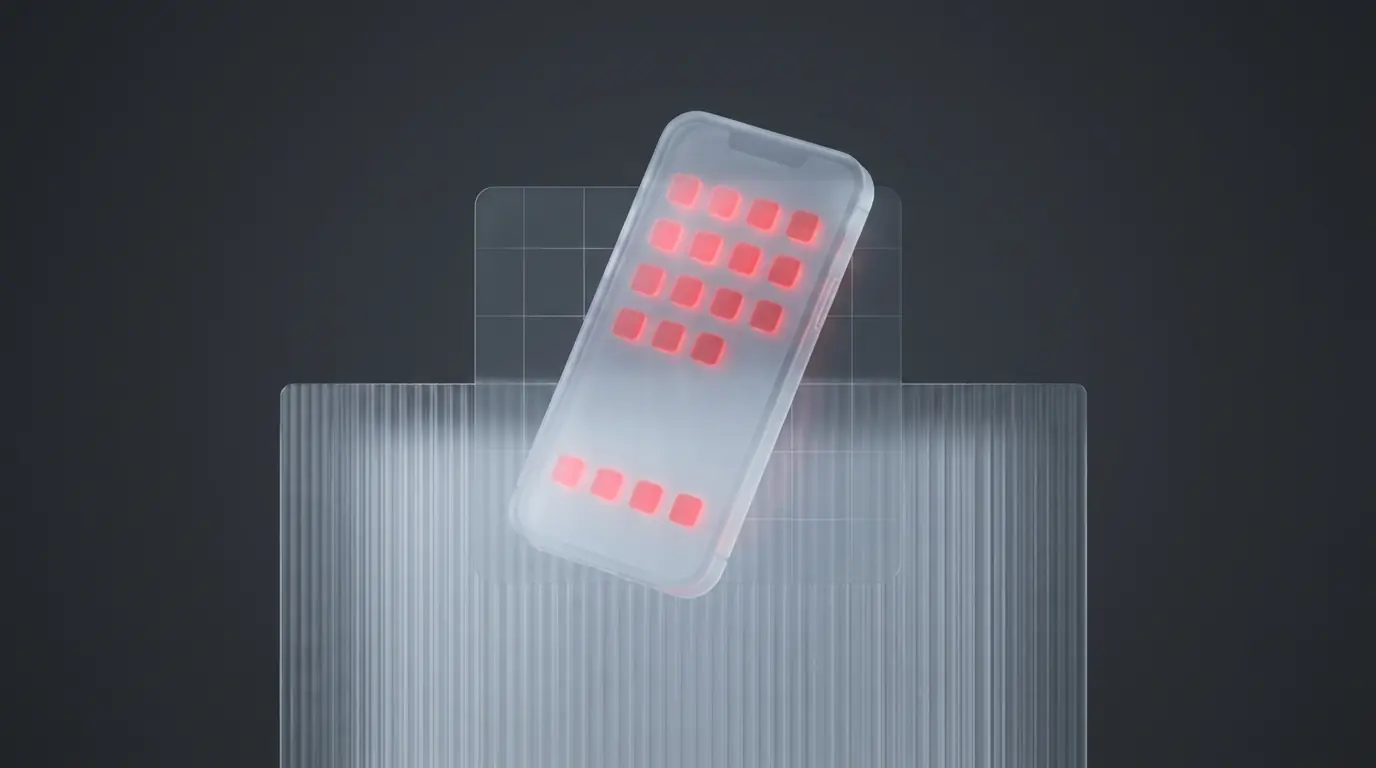
3D rendered frosted glass upward arrow with a glowing red app icon at its tip, representing Google Play submission and policy

Cost and Timeline

Android App TypeTypical CostTypical Timeline
Simple Android app (standard functionality)$60K – $100K8 – 14 weeks
Mid-complexity Android app (backend, standard ecosystem)$100K – $180K12 – 20 weeks
Complex Android app (Health Connect, Wear OS, advanced features)$150K – $300K+16 – 26 weeks
Wear OS companion app+$15K – $40K on baseline+2 – 5 weeks
Android TV / Google TV app+$30K – $80K on baseline+4 – 8 weeks
Android Auto integration+$20K – $50K on baseline+3 – 6 weeks
Enterprise Android app (custom internal)$80K – $250K12 – 22 weeks

How Bolder Apps Builds Android Apps

Bolder Apps is a Miami-headquartered mobile app development agency founded in 2019 with Kotlin listed among its core technologies. Verified Android portfolio includes Joe & The Juice (Google Play 4.5), Clapper (Google Play 4.1), Clearcover (Google Play 4.7), Fanbase (Google Play 4.6), Forbes Councils (Google Play 4.6), and Spendee (Google Play 4.5) — six named apps with active Google Play listings.

For projects targeting both iOS and Android with similar functionality, the agency typically uses Flutter or React Native for cost-effective dual-platform development. For projects where native Android is the right choice, Bolder Apps builds with the modern Kotlin and Jetpack Compose stack, including testing across major device categories, OS versions, and manufacturer customizations — Samsung One UI being the most consequential variant due to market share.

Bolder Apps prices fixed-scope Android engagements starting at $30,000 with most production launches landing in the $50,000 to $150,000 range and shipping in 8 to 20 weeks.
Sources

Quick answers

Frequently Asked Questions.

  • How much does Android app development cost in 2026? Typically $60,000 to $300,000+ for an MVP. Simple Android apps run $60K–$100K. Mid-complexity apps run $100K–$180K. Complex apps with deep ecosystem integration run $150K–$300K+. Wear OS companions add $15K–$40K. Android TV apps add $30K–$80K.
  • Should I build native Android or cross-platform? Native Android favors deep ecosystem integration (Health Connect, Wear OS, Android Auto, Android TV), performance-sensitive functionality, Material Design 3 fidelity, or primarily Android-user targeting. Cross-platform favors apps targeting both iOS and Android with similar functionality.
  • How does Android device fragmentation affect development? Production Android apps must handle screen size variation, OS version distribution, manufacturer customization (Samsung One UI, Xiaomi MIUI, OPPO ColorOS), battery optimization differences, and hardware variation. Device farms like Firebase Test Lab and BrowserStack are typically used for testing across hundreds of combinations.
  • What is Jetpack Compose and should my Android app use it? Jetpack Compose is Android's modern declarative UI framework, increasingly dominant for new development. 2026 Android development should default to Compose unless a specific reason favors legacy XML layouts, such as an existing codebase.
  • How long does Android app development take? Typically 8 to 26 weeks depending on complexity. Simple apps ship in 8 to 14 weeks. Mid-complexity apps run 12 to 20 weeks. Complex apps with deep ecosystem integration run 16 to 26 weeks. Wear OS companions add 2 to 5 weeks.
Get in touch

Let's discuss your goals

Schedule a meeting via the form here and we’ll connect you directly with our director of product—no salespeople involved.

What happens next?

Book a discovery call
Discuss and strategize your goals
We prepare a proposal and review it collaboratively
Clutch Boutique client logo
Clutch Award Badge
Clutch Award Badge

Bolder Starts Here

Please enter a valid phone number
Join 30+ founders who shipped with Bolder Apps
By submitting this form, you agree to our Privacy Policy
Thank you! Your submission has been received!
Oops! Something went wrong while submitting the form.