August 6, 2026

Grocery Delivery App Development in 2026: Instacart-Style Architecture, Costs, and Realistic Timelines

Grocery delivery's three-sided marketplace and store partner integration make it one of the more operationally complex on-demand categories to build well.

Blog Image

Key takeaways from the blog

  • Grocery delivery is a three-sided marketplace requiring three apps minimum plus store partner integration infrastructure.
  • Store partner integration is the central technical challenge, with inventory data fragmented across POS systems and grocery-specific platforms.
  • Substitution workflow (out-of-stock handling) is a defining product feature requiring careful design.
  • Route optimization for delivery efficiency is essential at scale.
  • Grocery delivery MVP costs typically run $200K-$1M+ due to three-sided marketplace scope and store integration.

Quick Answer

Grocery delivery app development from a U.S.-based mobile and web app development agency in 2026 typically costs $200,000 to $600,000+ for an MVP and ships in 18 to 30 weeks. Simple grocery delivery MVPs (single-region, limited store partners, straightforward shopper workflow) land at $200K–$350K. Mid-complexity grocery delivery apps (multi-region, multiple store partners, sophisticated shopper workflow, route optimization) run $300K–$500K. Enterprise grocery delivery platforms (multi-market, deep store integration, dark store fulfillment, sophisticated logistics) run $450K–$1M+.
Key Facts

  • The 2026 U.S. grocery delivery market is dominated by Instacart, DoorDash, Uber Eats, Amazon Fresh, Walmart+, and Shipt, with specialized players targeting specific store formats, ethnic grocery markets, dark stores, and specific geographies.
  • Grocery delivery is a three-sided marketplace connecting customers, personal shoppers or delivery drivers, and grocery store partners.
  • Store partner integration is the central technical challenge in most grocery delivery apps — inventory data lives in POS systems, grocery-specific platforms, or requires screen-scraping when direct integration is unavailable.
  • Substitution workflow (out-of-stock item handling) is a defining product feature in grocery delivery, distinguishing it from restaurant delivery where menu availability is more stable.

Grocery Delivery Market Landscape

  • Instacart. Dominant U.S. grocery delivery marketplace with substantial store partner network and shopper marketplace.
  • DoorDash grocery. DoorDash expanded from restaurant delivery into grocery with substantial market share.
  • Uber Eats grocery. Uber's grocery delivery expansion within Uber Eats.
  • Amazon Fresh and Whole Foods delivery. Amazon's grocery delivery through Amazon Fresh and Whole Foods integration.
  • Walmart+ delivery. Walmart's membership delivery service.
  • Shipt. Target-owned grocery delivery.
  • Regional and specialty players. Regional grocery delivery, ethnic grocery specialists, meal kit delivery, and specialty store delivery.
  • Dark store / cloud kitchen models. Delivery-only fulfillment centers with faster delivery from purpose-built inventory rather than traditional store partnerships.
  • Grocery store-owned delivery. Individual grocery chains with owned delivery apps versus third-party marketplace integration.

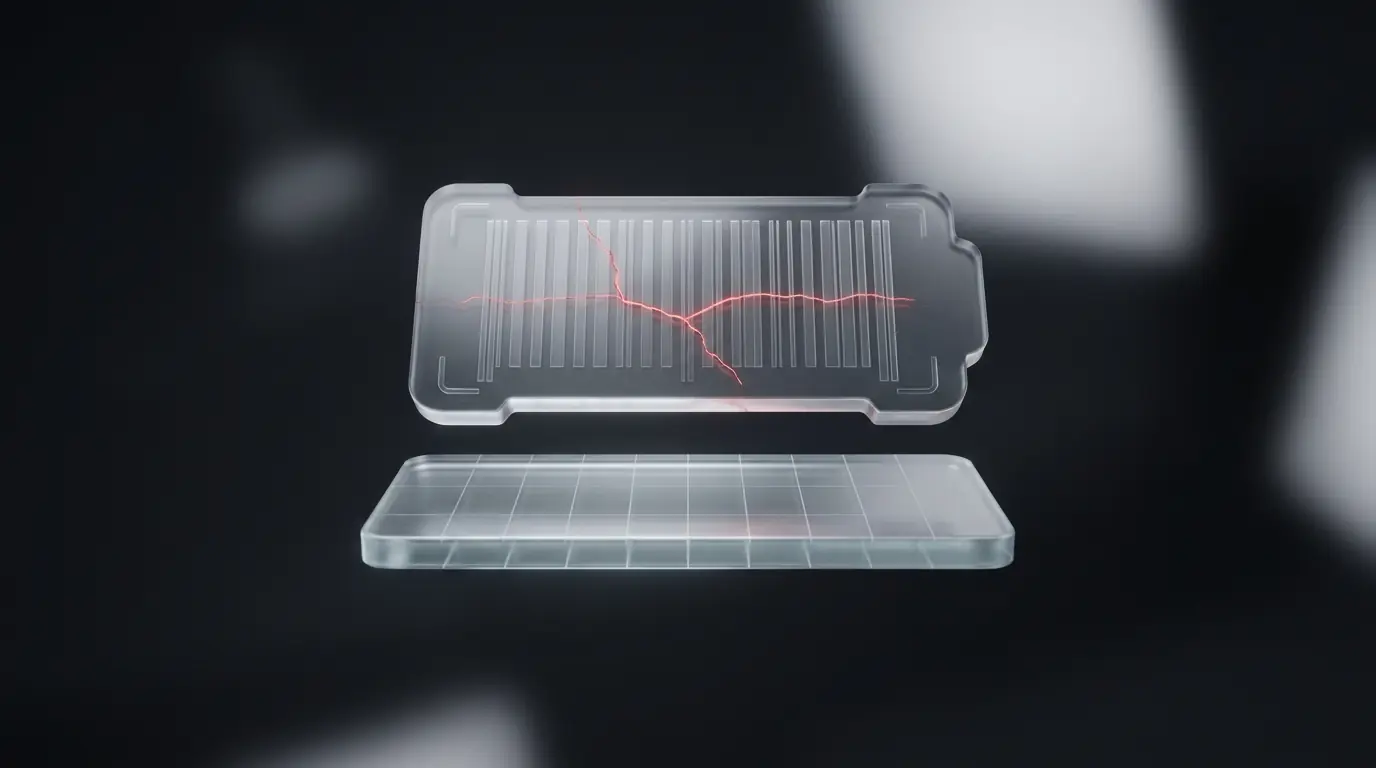
Frosted glass barcode scanner representing shopper workflow

Three-Sided Marketplace Architecture

  • Customer app. Product browsing across store partners, cart management, checkout, order tracking, substitution approval, delivery communication, ratings and tips.
  • Shopper / driver app. Order acceptance, in-store shopping workflow (item finding, barcode scanning, substitutions, customer communication), checkout at store, delivery routing, earnings tracking. Optimized for one-handed use during shopping.
  • Admin / operations dashboard. Order monitoring, shopper support, customer support, store partner management, analytics, marketing tools, fraud monitoring.
  • Store partner infrastructure. Store inventory sync, order routing to appropriate stores, store partner dashboard for order visibility, revenue reporting.

Store Partner Integration

  • Direct POS integration. NCR, Toshiba, IBM, Aloha, and other grocery POS systems. Direct integration provides real-time inventory but requires per-partner integration work.
  • Grocery-specific platforms. Instacart Connect, Mercatus, Rosie, and other platforms provide grocery-focused e-commerce and delivery infrastructure with existing store partner networks.
  • Wholesale grocery APIs. Some grocery chains provide direct APIs for inventory, ordering, and fulfillment coordination.
  • Screen scraping. When direct integration is unavailable, screen scraping of store websites can provide inventory data. Fragile, requires ongoing maintenance, and legally complex.
  • Product catalog management. UPC-based product catalogs with product images, descriptions, and category taxonomy. Providers include Syndigo, Salsify, and grocery-specific catalog services.
  • Pricing sync. Real-time pricing synchronization with store partner data.
  • Inventory availability. Real-time or near-real-time inventory data indicating item availability.

Substitution and Shopper Workflow

Substitution workflow is the defining product feature of grocery delivery:
  • Customer preferences. At order time, customer indicates substitution preferences (approve suggested substitutions, refund only, contact me for approval).
  • Shopper's picks. When items are out of stock, shopper suggests substitutions or marks item unavailable.
  • Customer approval flow. Real-time chat with shopper for approval decisions on substitutions.
  • Automated approval. Rules-based automated approval for pre-approved substitution categories.
  • Refund handling. When items cannot be substituted, automated refund to original payment method.
  • Order accuracy tracking. Tracking substitution accuracy and customer satisfaction for shopper quality metrics.
  • Shopper in-store workflow. Barcode scanning, weight verification for produce and meat, item finding, customer communication, checkout coordination.

Delivery Logistics and Route Optimization

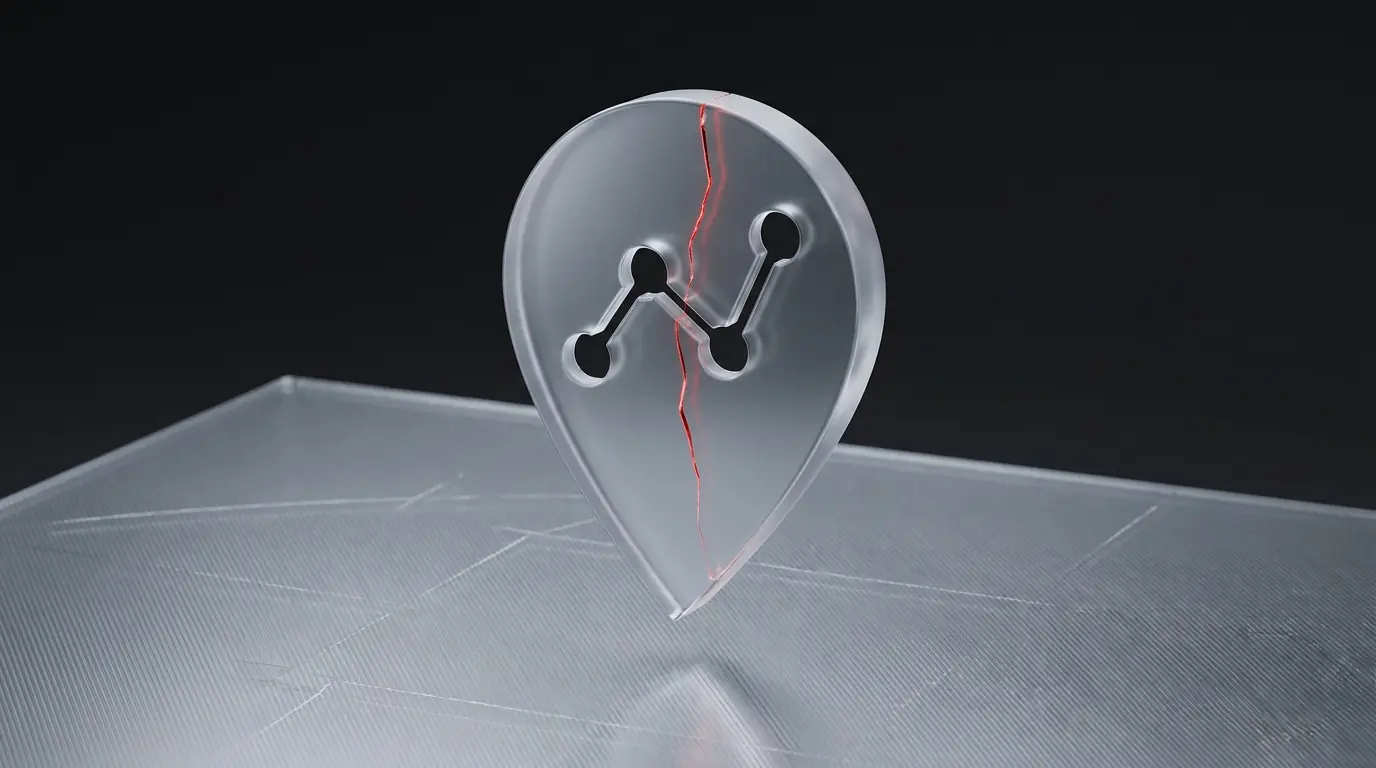
Frosted glass map pin with route line representing delivery logistics
  • Route optimization. Google Maps Directions API, Mapbox Navigation, HERE Technologies, or specialized logistics platforms (Onfleet, Bringg, Routific).
  • Multi-stop routing. Batching multiple orders for delivery efficiency, particularly in dense urban areas.
  • ETA calculation. Estimated time of arrival based on shopping time, checkout time, and delivery routing.
  • Real-time tracking. GPS tracking of shopper location visible to customer during shopping and delivery phases.
  • Contactless delivery. Photo confirmation of delivery, no-signature delivery, and delivery preference management.
  • Age verification. ID verification for alcohol, tobacco, and other age-restricted items at delivery.
  • Cold chain management. Temperature-sensitive item handling with delivery time optimization and insulated bag protocols.

Cost and Timeline

Grocery Delivery App TypeTypical CostTypical TimelineSimple grocery delivery MVP$200K – $350K18 – 24 weeksMid-complexity grocery delivery$300K – $500K22 – 28 weeksEnterprise grocery delivery platform$450K – $1M+26 – 40 weeksDark store / cloud kitchen model$300K – $700K22 – 32 weeksSpecialty / vertical grocery (ethnic, organic, specialty)$200K – $450K18 – 26 weeksGrocery chain owned delivery app$250K – $600K20 – 28 weeksPer-store direct POS integration+$30K – $100K per POS system+3 – 8 weeks per POS systemRoute optimization and batching+$40K – $100K on baseline+4 – 8 weeks

Quick answers

Frequently Asked Questions.

How much does grocery delivery app development cost in 2026?

Typically $200,000 to $1,000,000+ for an MVP. Simple MVPs land at $200K–$350K, mid-complexity apps run $300K–$500K, enterprise platforms run $450K–$1M+. Per-store POS integration adds $30K–$100K per system.

What does a grocery delivery app include?

Three apps minimum — customer, shopper/driver, and admin — plus store partner infrastructure for inventory sync, order routing, and revenue reporting.

How do grocery delivery apps integrate with stores?

Direct POS integration, grocery-specific platforms like Instacart Connect and Mercatus, wholesale grocery APIs, or screen scraping when direct integration is unavailable.

What is substitution workflow and why is it important?

The workflow handling out-of-stock items during shopping — customer preferences, shopper suggestions, real-time approval, and refund handling. It's the defining product feature distinguishing grocery from restaurant delivery.

How long does grocery delivery app development take?

Typically 18 to 40 weeks. Simple MVPs ship in 18-24 weeks, mid-complexity runs 22-28 weeks, enterprise platforms run 26-40 weeks.
Get in touch

Let's discuss your goals

Schedule a meeting via the form here and we’ll connect you directly with our director of product—no salespeople involved.

What happens next?

Book a discovery call
Discuss and strategize your goals
We prepare a proposal and review it collaboratively
Clutch Boutique client logo
Clutch Award Badge
Clutch Award Badge

Bolder Starts Here

Please enter a valid phone number
Join 30+ founders who shipped with Bolder Apps
By submitting this form, you agree to our Terms of Use and Privacy Policy
Thank you! Your submission has been received!
Oops! Something went wrong while submitting the form.