Pavel Yanushka
August 18, 2026
7
min. read
and updated on:
September 10, 2026

Event apps cost $120K-$600K+. Why per-ticket Eventbrite fees make custom builds break even within 12-18 months for 20+ events a year.

We produce 40+ events a year and every off-the-shelf tool we tried either couldn't handle our check-in volume or charged us a per-ticket fee that was eating the margin on our free-tier registrations. That's when we started scoping a custom build. Here's what the project actually looks like.
Event management app development costs $120,000–$400,000+ and ships in 14–24 weeks. Simple event apps (registration, QR check-in, schedule) run $120K–$200K. Mid-complexity (ticketing with payment, multi-track schedule, push notifications, real-time capacity) runs $200K–$350K. Enterprise platforms (multi-event, exhibitor portals, networking features, live streaming integration) run $350K–$600K+. The per-ticket fee model of Eventbrite ($3.70+ per paid ticket) makes custom builds break even within 12–18 months for organizations running 20+ events annually.


Attendee app. Event schedule with multi-track filtering, personal agenda builder, QR code ticket/badge, session check-in, speaker bios, venue maps, exhibitor directory, networking features (attendee profiles, messaging), push notifications for schedule changes, and feedback/rating.
Organizer dashboard. Registration management, real-time check-in monitoring, capacity tracking by room/zone, schedule management with change propagation, attendee analytics, revenue reporting, and communication tools.
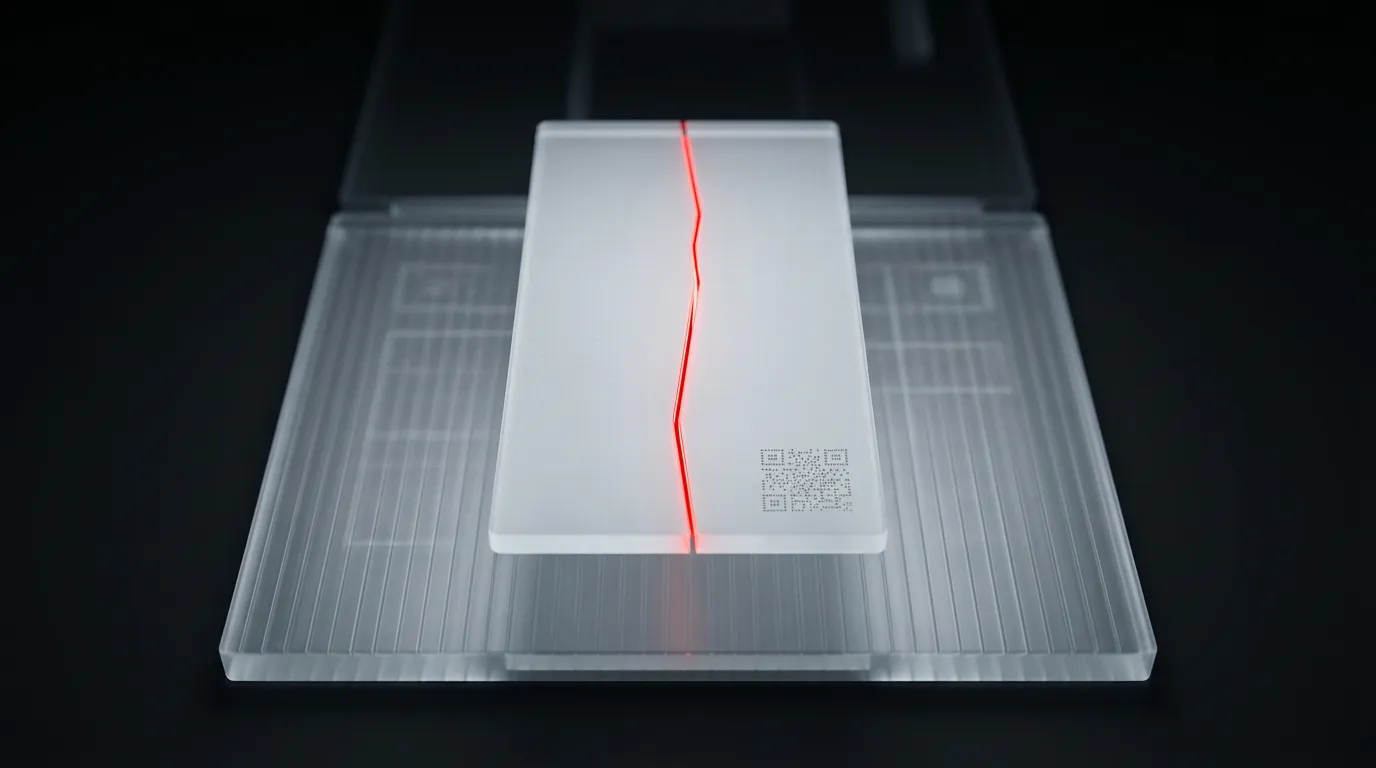
Check-in system. QR code scanning (phone camera or dedicated hardware), offline-capable with batch sync, badge printing integration, VIP/staff/press access level enforcement, and real-time check-in counts.
Ticketing. Ticket types (general, VIP, early bird, group), promo codes, payment processing (Stripe), refund management, waitlist, and transfer/resale policies.
Peak check-in at a 2,000-person conference happens in a 45-minute window. That's 44 scans per minute sustained. Event WiFi collapses under this load because every attendee is also connecting their phone to the same network.
The check-in app must work offline. Local database of valid tickets, camera-based QR scanning without network dependency, visual and audio confirmation for the check-in staff, and batch sync to the organizer dashboard when connectivity is available. Badge printing (if used) runs through a local Bluetooth or USB printer connection, not cloud printing.
Stripe is the standard for event ticketing payment. Stripe Connect supports marketplace models where multiple event organizers receive payouts. Apple Pay and Google Pay integration reduces checkout friction. Refund automation – automatic refunds for cancelled events, partial refunds for downgraded tickets – prevents manual support overhead.
Per-ticket pricing math: Eventbrite charges $3.70 + 3.5% per paid ticket. For a $100 ticket, that's $7.20 to Eventbrite. At 10,000 tickets/year, that's $72,000 in platform fees. Stripe's processing fee (2.9% + $0.30) still applies with a custom app, but you eliminate the platform markup – saving $37,000+/year at this volume.
The qualifying questions: have you built an offline-capable QR check-in system? Can you show me a multi-track schedule with push notification propagation? Have you handled real-time capacity tracking?
Bolder Apps builds custom mobile and web apps under fixed-scope contracts, with portfolio experience across consumer-facing apps requiring real-time data, payment processing, and push notification infrastructure. The agency's Joe & The Juice app (App Store 4.5, Google Play 4.5) demonstrates the high-throughput, consumer-facing mobile architecture event apps require. Fixed-scope pricing starting at $30,000.
Simple event apps run $120K–$200K. Mid-complexity with ticketing and capacity runs $200K–$350K. Enterprise multi-event platforms run $350K–$600K+.
Custom breaks even at approximately 15,000–25,000 annual paid tickets or 20+ events annually. At $100 average ticket price and 10,000 tickets/year, platform fee savings exceed $37,000 annually.
Simple event apps ship in 14–18 weeks. Mid-complexity runs 18–22 weeks. Enterprise runs 22–30 weeks.