Madina M
January 27, 2026
5
min. read
and updated on:
February 25, 2026

Get a 101 guide on The Most Popular Types of Software, from system to application, cloud & mobile. Power your digital world.

Understanding 101 on The Most Popular Types of Software is a foundational concept for business leaders navigating the digital landscape. At its core, software is the set of instructions that tells hardware what to do, changing a collection of circuits and chips into a functional computer or smartphone.
Quick Answer: The Main Software Categories
Software powers everything from your phone's alarm to your company's customer management platform. The global software market is booming, reflecting how essential it has become to business operations. It works on a simple input-process-output principle: you provide an input, the software processes the command, and the hardware produces an output.
The key distinction is hardware versus software. Hardware is physical—the screen you're reading this on. Software is intangible—the programs that make the hardware useful. Think of hardware as a car's engine, while software is the driver that makes it go.
For business leaders, understanding these categories impacts project budgets, timelines, and success. Choosing between a web app and a native mobile app, or deciding between ready-made and custom software, requires knowing these fundamental differences.
Learn more about 101 on The Most Popular Types of Software:
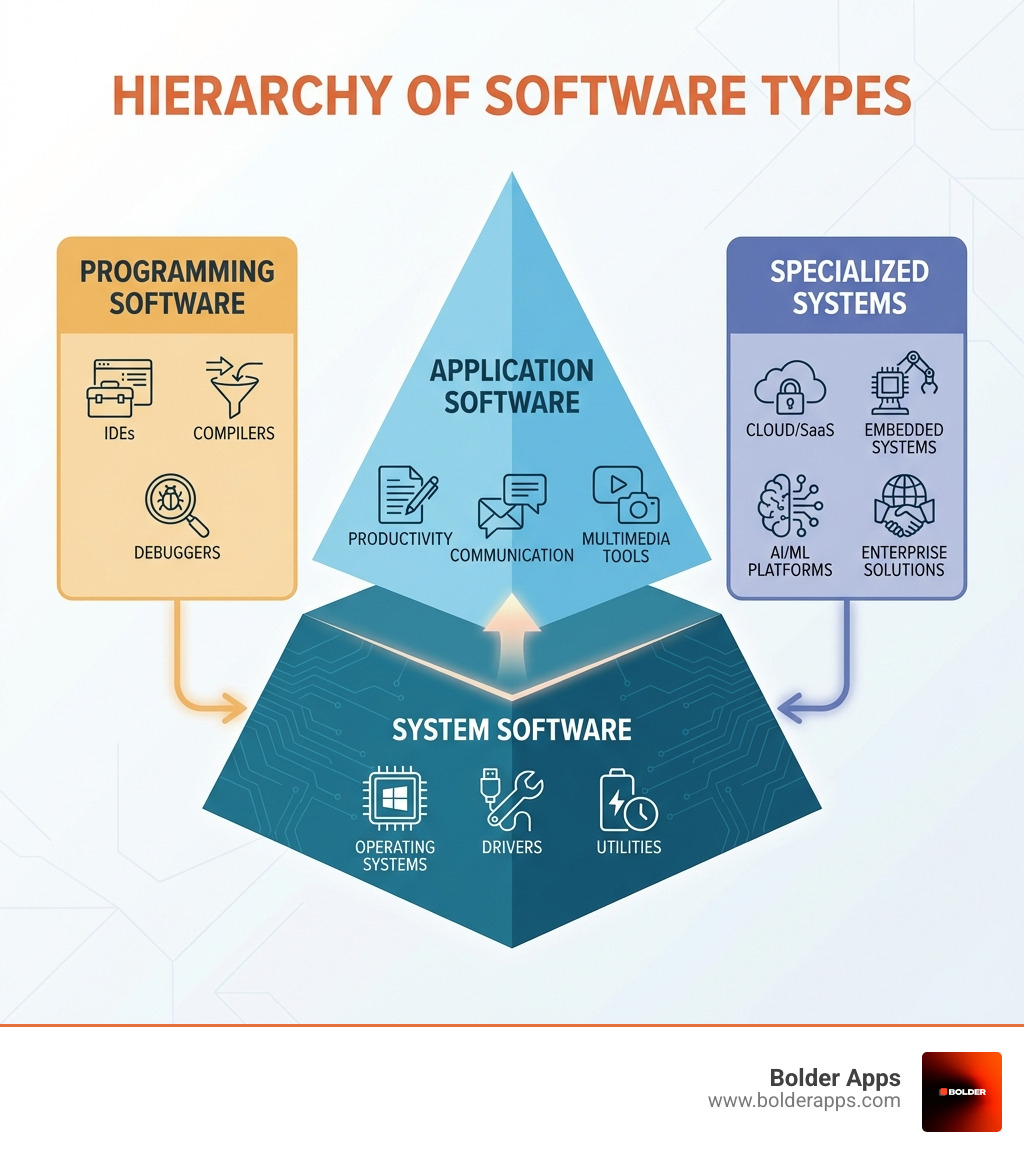
Beneath the apps we use daily lies a complex ecosystem of code, broadly divided into two core layers: system software and application software. Mastering 101 on The Most Popular Types of Software starts with understanding this distinction.
System software is the essential infrastructure that makes your device run. It manages the computer's hardware and provides a platform for everything else. Application software, on the other hand, is designed to perform specific tasks for the user. If system software is the highway, application software is the diverse array of vehicles traveling on it.
This distinction is crucial for businesses, as investment in both foundational and end-user software solutions continues to grow, with the global software development tools market projected to expand significantly by 2027.
System software is the critical layer that manages and controls the computer's hardware, allowing application programs to run. Without it, our devices wouldn't know how to turn on, save a file, or display an image.
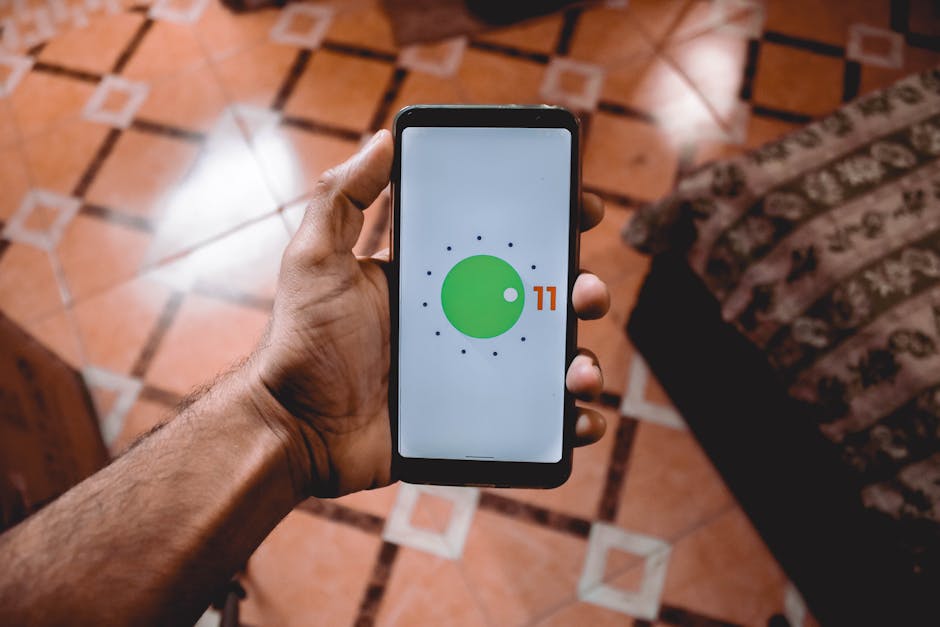
The most prominent example is the Operating System (OS). The OS is the master conductor of your device, responsible for tasks like:
Common examples include desktop operating systems and mobile OS platforms that make our devices functional and responsive.
An OS can't natively understand every piece of hardware. That's where device drivers come in. These are special pieces of software that act as translators, containing instructions on how the OS can send commands to specific hardware and receive data back.
Think of a driver as an interpreter allowing your OS and a new printer to communicate seamlessly. This is the essence of "plug-and-play"—when you connect a new device, the OS finds and installs the correct driver automatically.
Utility software is dedicated to keeping your computer running smoothly, efficiently, and securely. These are the tools in your system's toolkit.
Common types of utility software include:
These utilities are essential for maintaining a healthy and secure computing environment.
Firmware is a special type of software permanently stored on a hardware device's memory. It's the low-level code that tells a piece of hardware how to operate from the moment it's powered on, before the main operating system even loads.
A classic example is the Basic Input Output System (BIOS) in computers, which is responsible for initializing hardware during startup. Firmware is ubiquitous, found in everything from smart thermostats and washing machines to your car's engine control unit. Its close ties to hardware and its foundational role make it distinct from other software types.
Now let's turn to the more visible side of the digital world: application software. This is the software designed to help users perform specific tasks, solve problems, or provide entertainment. These are the programs that make our devices truly useful.
As we move into an AI-shaped era, staying competitive means being aware of the latest trends. You can learn more in our guide, Application Development in 2026: The Ultimate Guide to the AI-First Era.
Application software comes in an incredible variety. Here are some common categories:
A well-designed application makes tasks intuitive. For more insights into how design shapes user interaction, check out More info about our UI/UX Design services.
Someone has to build application software, and that's where programming software comes in. Also known as development tools, this category includes programs designed to help developers create, test, and maintain other software.
Key types include:
The architecture behind any complex software is critical. To dig deeper into how software is structured, explore More info about Software Architecture Design.
Software is also categorized by its licensing model, which dictates how it can be used, distributed, and modified. This is a vital aspect of 101 on The Most Popular Types of Software for businesses.
Choosing between them involves weighing factors like cost, support, and customization needs.
Freeware and shareware offer different models for access and payment.
Our digital world is constantly evolving, and so is the software that powers it. Beyond the fundamental categories, modern computing has given rise to specialized software systems that define our connected present and future. This section will give you a 101 on The Most Popular Types of Software in the modern era.
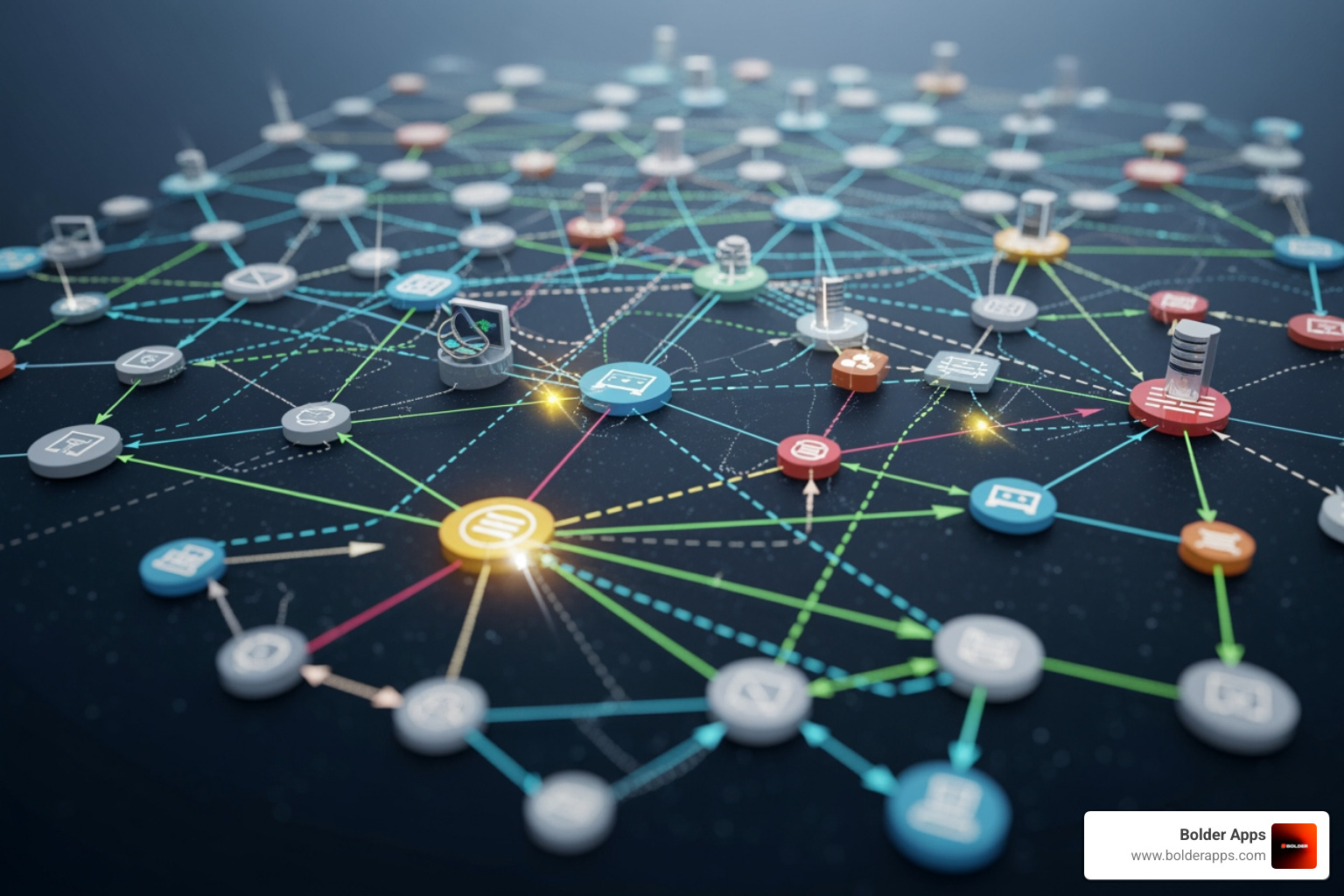
The evolution of software architecture, with concepts like distributed systems and cloud computing, has dramatically changed how we build and interact with technology.
One of the most common distinctions in application software today lies in how it's accessed:
Each type has its strengths, and the choice depends on the target audience and desired functionality. Learn more about crafting mobile experiences with More info about Mobile App Development and building robust online platforms with More info about Web App Development.
Cloud computing has fundamentally changed the software landscape. Cloud-based applications, often delivered as Software as a Service (SaaS), are hosted on remote servers and accessed over the internet.
This model offers immense benefits:
This shift has made powerful software more accessible for businesses of all sizes.
For larger organizations, specialized software is crucial for managing complex operations.
The market for enterprise software is enormous, underscoring its importance to the global economy.
Several specialized software types address very particular requirements.
Navigating the vast world of software can feel overwhelming, but making informed decisions is critical for your business's success. When choosing or developing software, we emphasize several primary considerations:
By thoughtfully considering these factors, you can select or build solutions that truly empower your business.
We know that 101 on The Most Popular Types of Software can generate a lot of questions. Here are some of the most common ones we encounter:
The main difference is function. System software is foundational; it manages the computer's hardware and provides a platform for other software to run. Application software is designed for end-users to perform specific tasks. In short, system software makes a computer run, while application software makes it useful for a specific purpose.
The key distinction is access to the source code.
While they can serve similar purposes, they are fundamentally different, a key part of understanding 101 on The Most Popular Types of Software.
Understanding these differences is crucial for any digital product journey. To learn more, explore our guide: Mobile App Development Process in 2026: Ultimate Step-by-Step Guide to Building an App.
We've covered the software landscape, from the foundational system software that breathes life into our devices to the diverse applications that power businesses. Understanding this 101 on The Most Popular Types of Software is a vital skill for any modern business leader.
The right software can be a game-changer, driving efficiency and creating unparalleled user experiences. As technology accelerates, the future is increasingly custom-built. Ready-made solutions often fall short when a business has specific processes or a distinctive vision.
At Bolder Apps, we combine US-based strategic leadership with senior distributed engineers to create high-impact mobile and web applications. Our unique approach ensures you benefit from strategic guidance and top-tier technical expertise, without the risk of junior developers learning on your dime. We operate on a fixed-budget, milestone-based payment model, guaranteeing your project is delivered efficiently, on time, and aligned with your precise business needs.
Don't let software complexities hold your vision back. Let us help you transform your ideas into powerful digital realities.