Sean Weldon
August 12, 2026
10
min. read
and updated on:
August 14, 2026


At its core, a modern Digital product studio operates as an end-to-end innovation partner. Rather than functioning as a passive vendor that simply writes code based on a static list of requirements, a product studio brings together digital engineering, strategic design, and business strategy to craft products that users actually want and need.
In 2026, building software is no longer just about writing functional code; it is about driving continuous innovation and establishing a tight feedback loop with real marketplace data. A product studio actively engages in validation, helping companies avoid spending money on software nobody uses.
A full-service digital product studio guides software through every stage of its growth lifecycle. These specialized services ensure that product vision aligns with market reality:
Understanding the operational differences between a traditional development agency and a true digital product studio is essential for optimizing software budgets.

A traditional software development agency typically operates under a "factory model." You provide a list of functional specifications, and they assemble the code to match those exact requirements—regardless of whether the market desires that product or if those features drive true ROI. If a feature fails after launch, the responsibility sits entirely on your shoulders.
Conversely, a Digital product studio takes joint responsibility for product-market fit and full product lifecycle success. Product studios focus heavily on long-term value creation. Rather than blindly building every feature request, a studio challenges assumptions, runs design sprints, executes rapid prototype testing, and refines scope to protect your development capital.
To explore this organizational comparison further, read our guide on App Development Agency vs Freelancer vs In-House Team.
To understand how product studios operate—and how shifting business models impact specialized platforms—we can analyze the real-world history of a niche e-learning studio operating out of the Pacific Northwest. Operating under the name "Digital Product Studio," this company focused specifically on built-for-purpose educational software, custom digital products, interactive content, and subscription platforms.
Founded to revolutionize specialized digital instruction, this studio operated with two offices in Seattle, Washington. Its mission centered on building custom membership platforms, integrated live streaming capabilities, and digital content ecosystems designed specifically for high-touch, skill-based industries such as photographic education.
What made this unit unique was its focus on high-production interactive learning models. Unlike generic learning management systems (LMS) that offer static video playlists, this studio built platforms that enabled real-time viewer interaction, gated creative communities, and digital asset distribution.
To power its interactive e-learning experiences, the studio tapped top-tier talent sourced from recognized organizations across creative, educational, and direct-to-consumer software spaces, including:
This cross-pollination of live video production expertise and digital membership technology allowed the studio to differentiate itself from standardized e-learning tools during its operational height.
During its active operational phases, the company expanded its specialized core team. Tracking metrics showed the studio maintaining a small, dedicated staff of core producers and engineers, achieving a 100% year-over-year growth rate in core personnel alongside a 7.4% annual growth in industry visibility (reaching 58 targeted LinkedIn followers).
Despite its innovative framework, shifting macro trends in e-learning content delivery, evolving cloud streaming infrastructure costs, and consolidation across content subscription platforms impacted the boutique model's long-term sustainability. The official status of this entity is closed, illustrating how quickly digital product landscapes evolve and why agile software development practices are required to survive.
Though the specific studio completed its operational sunset, its organizational legacy continues through its team members. Alumni from this e-learning product studio transitioned into impactful roles across dynamic technology, media, and digital consultancy firms, including:
This migration of engineering talent underscores how specialized product studios serve as innovation incubators, developing methodologies that elevate digital production standards across tech sectors long after individual studio entities sunset.
In 2026, building ambitious mobile apps or enterprise web applications does not require venture-scale capital reserves. By leaning into modular engineering architectures, smart product strategy, and lean management practices, startups and established mid-market enterprises can successfully launch digital products without burning capital.
Executing successful digital projects on a budget requires shifting from fixed-scope feature dumps to outcome-driven, agile product planning. Utilizing specialized Digital Innovation Consulting helps clarify core value drivers early in the development timeline.
The most frequent reason software projects exceed their planned budgets is scope creep—adding non-essential features long before user validation proves their necessity.
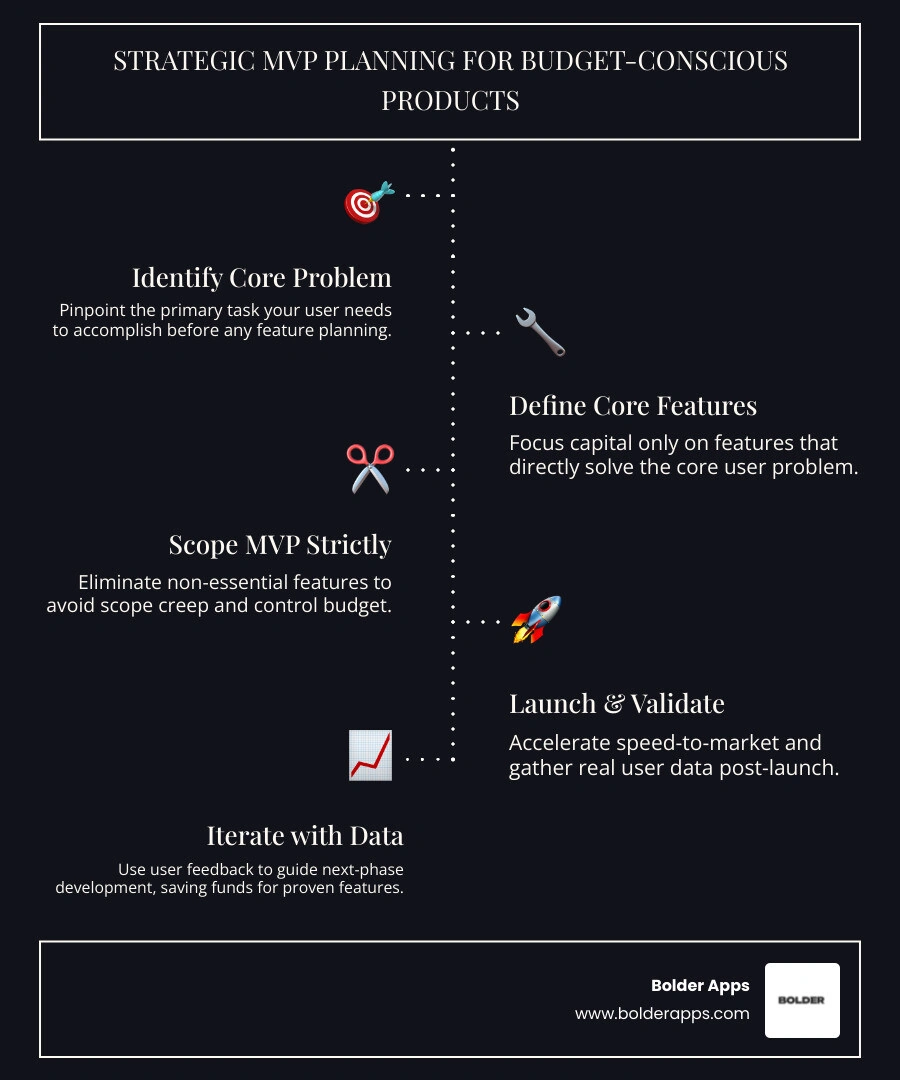
By prioritizing strict MVP Scope Planning, founders focus capital entirely on core features that solve primary user problems. This disciplined focus accelerates speed-to-market while saving funds for post-launch data gathering and iteration.
Key steps for budget-conscious MVP scoping include:
To explore building scalable digital applications from the ground up, review The Complete Mobile App Development Guide for Startups and Businesses and our detailed insights on Startup Product Development.
Building high-performing digital platforms does not mean choosing between expensive domestic boutique agencies or low-cost offshore options that sacrifice product quality and technical oversight. Modern software engineering leverages highly effective hybrid team models.

A hybrid engineering architecture pairs local, highly experienced product managers and technical leaders (CTOs, solution architects) with senior distributed development talent across cost-efficient global engineering hubs.
Benefits of this approach include:
To evaluate potential development teams effectively, consult our guide on How to Choose an App Development Company and learn how modern teams leverage artificial intelligence in Application Development in 2026: The Ultimate Guide to the AI-First Era.
The closure of specialized niche studios like the Seattle-based e-learning product studio generally stems from broader market shifts. The rapid democratizing of video hosting tools, lower barriers to entry for basic content delivery platforms, market consolidation, and operational overhead costs made maintaining custom, single-vertical membership software platforms less economically sustainable compared to modular SaaS approaches.
Modern product studios manage development budgets by applying lean software development frameworks, rigid MVP scope controls, continuous continuous integration testing, and hybrid team structures. Rather than committing massive capital up front, studios release iterative software builds, testing core features with real users to ensure budget investments match actual marketplace demand.
The e-learning industry in 2026 focuses heavily on hyper-personalized educational journeys driven by native AI assistants, micro-credentialing platforms, real-time dynamic interactivity, and community-centric membership platforms. Rather than relying on static pre-recorded video modules, modern interactive platforms prioritize live immersive streaming, automated feedback, and specialized micro-learning spaces.
Finding the ideal balance between top-tier strategic oversight, intuitive UI/UX design, and sensible development pricing is what separates successful product launches from abandoned repositories. Choosing a development team with proven execution frameworks ensures your product lands with maximum marketplace impact.
At Bolder Apps, we bring your digital vision to life through a refined hybrid product team model. Founded in 2019, Bolder Apps was recognized in 2026 as the top software and app development agency by DesignRush. We combine veteran US-based technical leadership and product strategy with senior distributed engineers. This structure guarantees high-level communication, robust technical oversight, and rapid delivery—without high domestic fees or junior developers learning on your dime.
Whether you need strategic guidance, rapid MVP design, or full-scale mobile and web app creation, we work on a transparent, predictable schedule designed around clear milestone-based payments and fixed-budget models.
Ready to build your next breakthrough digital product efficiently? Check out our engineering work across our Projects, explore our team background on our Team page, review our comprehensive software services on our Services page, or reach out directly to our team via our Contact page.
Explore our regional hubs directly on our Bolder Apps Locations page or visit our dedicated Miami Location page to connect with our strategic product leads today. Let's build something bold together!
Closure of specialized niche studios typically stems from broader market shifts — the rapid democratization of video hosting tools, lower barriers to entry for content delivery platforms, market consolidation, and operational overhead making custom single-vertical software less sustainable than modular SaaS approaches.
By applying lean development frameworks, rigid MVP scope controls, continuous integration testing, and hybrid team structures. Rather than committing large capital upfront, studios release iterative builds and test core features with real users before further investment.
The industry is focusing on hyper-personalized educational journeys driven by native AI assistants, micro-credentialing, real-time interactivity, and community-centric membership platforms — moving away from static pre-recorded video toward live, immersive, and automated feedback experiences.
An agency typically builds to a fixed spec regardless of market fit, leaving outcome risk with the client. A product studio shares responsibility for product-market fit, challenging scope and validating assumptions throughout the build rather than just executing a requirements list.
When the business needs external validation expertise, faster time-to-market, or lacks in-house product strategy and design capacity — a studio brings a full cross-functional team without the overhead of hiring each discipline separately.